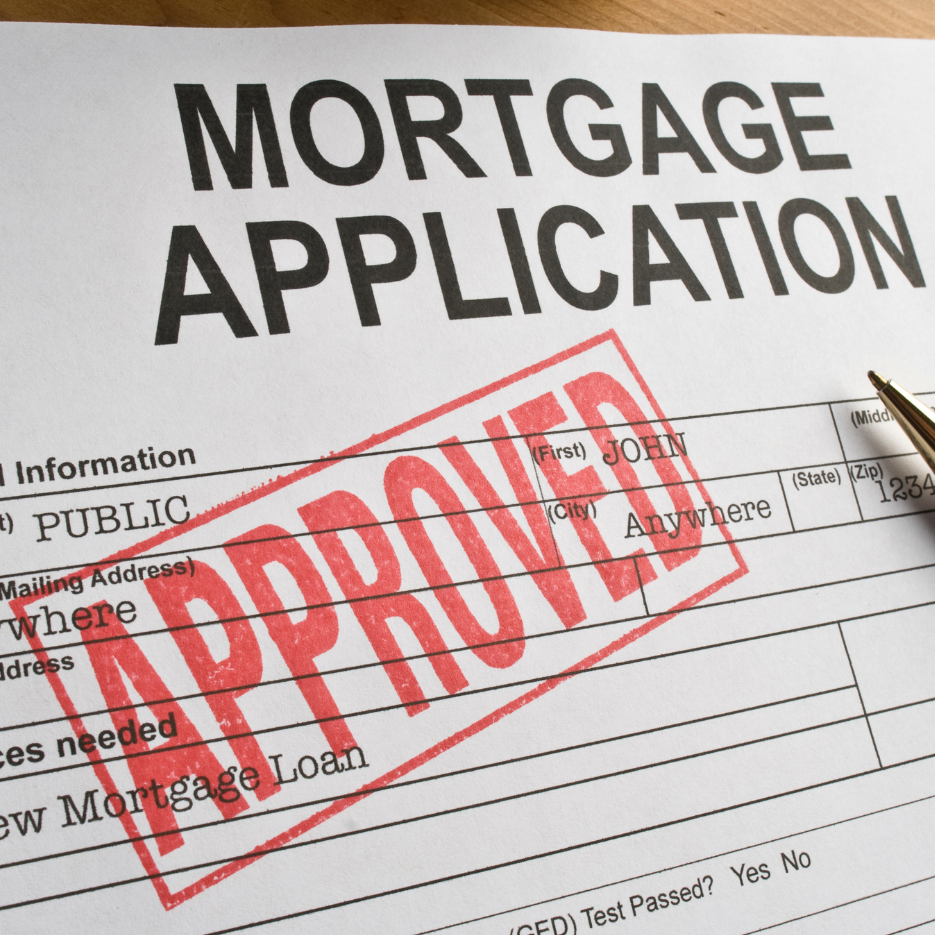
Understanding Mortgage Application Denials
Receiving a denial on your mortgage application can feel disheartening, but it’s important to understand that this outcome is not uncommon. Many prospective homeowners encounter obstacles during the mortgage approval process, and a denial is often a sign that further evaluation is necessary—not the end of your homeownership journey. By identifying the reasons behind a mortgage denial, you can better prepare for future applications and address any underlying financial or documentation issues.
Common Reasons for Mortgage Denial
- Credit Issues: Lenders closely examine your credit score, credit history, and recent financial behaviors. Missed payments, high credit card balances, or recent defaults can significantly impact your eligibility.
- Insufficient Income: If your income does not meet the lender’s minimum requirements, or your debt-to-income ratio is too high, your application may be denied. Lenders want assurance that you can comfortably manage monthly mortgage payments alongside existing financial obligations.
- Incomplete or Inaccurate Documentation: Missing, inconsistent, or inaccurate paperwork—such as tax returns, pay stubs, or identification—can halt the approval process.
- Low Appraisal Value: If the property’s appraised value is lower than the agreed purchase price, lenders may deny the mortgage or require a larger down payment.
Understanding these factors empowers you to correct issues, gather necessary documentation, and improve your financial profile. With this foundation, you can confidently explore your next steps and alternative solutions following a mortgage denial.
Common Reasons Mortgage Applications Get Rejected
Understanding why mortgage applications get denied is crucial for anyone seeking homeownership. Lenders assess multiple factors to determine your eligibility, and even a single misstep can lead to rejection. Recognizing these common pitfalls can help you better prepare and improve your chances of approval in the future.
Poor Credit History
Credit scores play a pivotal role in the mortgage approval process. A history of late payments, defaults, or high credit card balances can signal to lenders that you may struggle to manage debt responsibly. If your credit report reflects significant blemishes, lenders may view you as a high-risk borrower, resulting in denial.
Insufficient Income or Unstable Employment
Lenders require assurance that you have a steady income to support monthly mortgage payments. Irregular employment history, frequent job changes, or income that doesn’t meet the lender’s minimum threshold can raise red flags. Self-employed applicants might face additional scrutiny regarding the consistency and reliability of their income.
High Debt-to-Income Ratio
Your debt-to-income (DTI) ratio measures the percentage of your monthly income that goes toward paying existing debts. A high DTI ratio suggests that you might be overextended financially, making lenders hesitant to grant additional credit for a mortgage.
Problems with Documentation
Incomplete, inaccurate, or missing documentation—such as tax returns, pay stubs, or bank statements—can stall or derail your application. Lenders rely on these documents to verify your financial standing, so discrepancies or missing information can lead to a swift rejection.
By understanding these common reasons for mortgage application rejection, you can take proactive steps to address potential issues before reapplying or exploring alternative financing options.
Immediate Steps to Take After a Denial
Receiving a mortgage application denial can be disheartening, but it’s important to remember that this setback is not the end of your homeownership journey. Taking the right immediate steps can help you understand the reasons behind the denial and position yourself for future success. Begin by reviewing the official notice you received from the lender. This document will outline the specific reasons your application was declined, such as a low credit score, high debt-to-income ratio, insufficient income, or problems with your employment history.
Next, request a detailed explanation from your lender if the notice lacks clarity. Lenders are required by law to provide a clear rationale for their decision, and obtaining this information can guide your next moves effectively. Carefully check your credit report for errors, as inaccuracies in your credit history can sometimes be a key factor in mortgage denials. If you spot any mistakes, dispute them promptly with the relevant credit bureau.
- Gather Documentation: Collect and organize all financial documents used in your application. This will help you identify any inconsistencies or missing information.
- Assess Your Financial Profile: Take an honest look at your income, debts, and expenses. Use this information to create a realistic plan for improving your financial standing.
- Consult a Mortgage Specialist: Consider reaching out to a mortgage advisor for personalized guidance on strengthening your application and exploring other loan options.
By taking these immediate steps, you lay a solid foundation for addressing the issues that led to your mortgage denial and prepare yourself for a more successful application in the future.
Reviewing and Improving Your Financial Profile
Receiving a mortgage application denial can be discouraging, but it serves as a valuable opportunity to reassess and strengthen your financial standing. The first crucial step is to thoroughly review the lender’s feedback. Most lenders provide specific reasons for denial, such as a low credit score, high debt-to-income ratio, insufficient income, or inconsistencies in your application. Understanding these reasons helps you target areas for improvement.
Analyze Your Credit Report
Begin by obtaining your credit report from all three major credit bureaus. Scrutinize the report for errors, outdated information, or negative marks like late payments or collections. Disputing inaccuracies can result in a meaningful boost to your credit score. Additionally, focus on paying down outstanding debts and making all future payments on time, as consistent positive activity gradually rebuilds your credit profile.
Reassess Your Debt-to-Income Ratio
Lenders favor applicants who demonstrate responsible debt management. Calculate your monthly debt obligations relative to your income. If your debt-to-income ratio is high, consider consolidating loans or increasing your income through side work or a higher-paying job. Reducing this ratio makes you appear less risky to potential lenders.
Increase Your Savings
Building a larger savings reserve not only strengthens your application but can also qualify you for better mortgage terms. Demonstrating the ability to cover a higher down payment or reserves reassures lenders of your financial stability.
By proactively addressing these factors, you’ll be better positioned for success when you reapply, setting the stage for a more favorable outcome in your next mortgage application journey.
Exploring Alternative Mortgage Options
Receiving a mortgage application denial can feel discouraging, but it does not mark the end of your journey toward homeownership. Instead, it presents an opportunity to explore a variety of alternative mortgage options tailored to diverse financial situations. Understanding these alternatives can help you find a solution that aligns with your unique circumstances and gets you closer to securing your dream home.
Government-Backed Loan Programs
One of the most accessible routes after a mortgage denial is considering government-backed loan programs. Loans such as FHA, VA, and USDA mortgages often have more flexible qualification criteria compared to conventional loans. For example, FHA loans typically accept lower credit scores and smaller down payments, making them a practical choice for first-time buyers or those with less-than-perfect credit. VA loans are available to qualifying veterans and active-duty military members, offering competitive rates and, in many cases, no down payment requirement. USDA loans serve buyers in eligible rural areas, frequently providing favorable terms for low- to moderate-income applicants.
Non-Traditional and Portfolio Lenders
If standard options are out of reach, non-traditional lenders or portfolio loans may present a viable path. Credit unions and community banks sometimes offer more flexible underwriting standards, evaluating applicants on a case-by-case basis. Additionally, portfolio loans—loans kept in-house rather than sold to investors—can cater to unique circumstances, such as self-employment or irregular income streams.
Exploring these alternative mortgage options not only broadens your possibilities but also empowers you to approach homeownership with renewed confidence. By researching and comparing different lenders and programs, you can identify the solution best suited to your needs, setting a strategic foundation for your next application or home search.