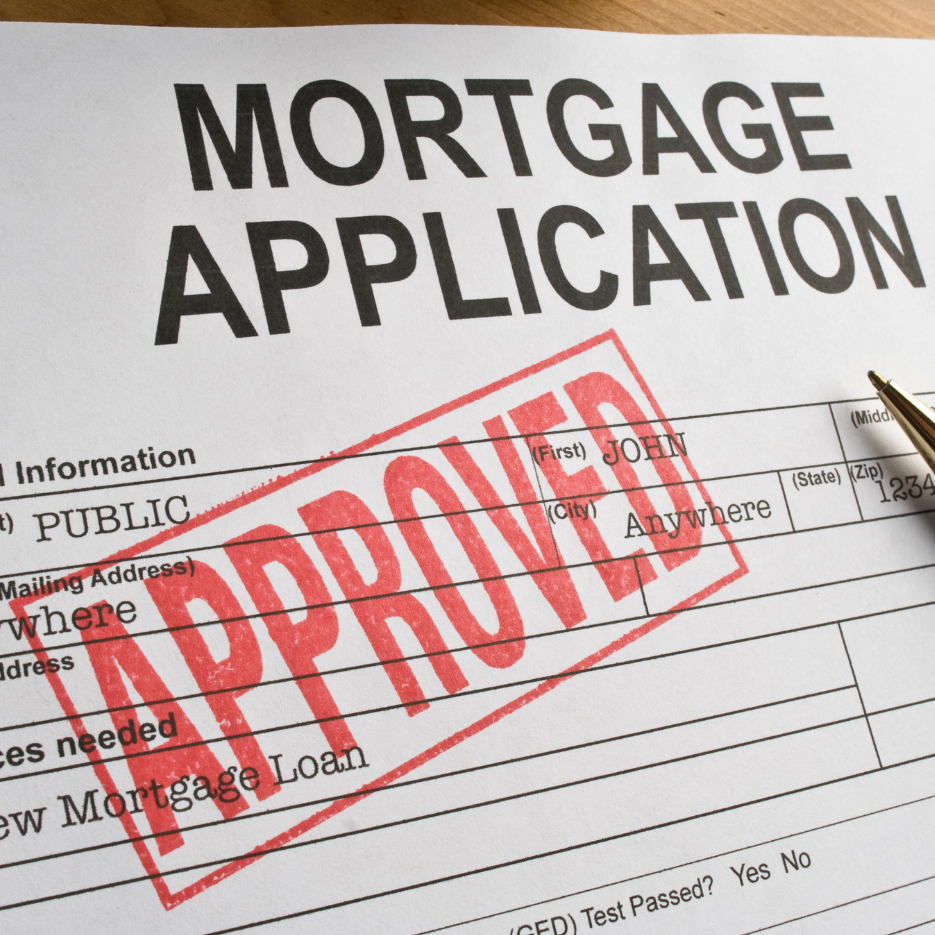
Understanding the Basics of Reverse Mortgages and Home Loans
When planning for retirement, it’s essential to understand the financial tools available to you—especially those tied to your home. Two of the most common options are traditional home loans and reverse mortgages. While both leverage the value of your property, they operate on fundamentally different principles and are designed to meet distinct needs in your financial journey.
A traditional home loan, or mortgage, is a straightforward concept: a lender provides funds for you to purchase a home, and you agree to repay the amount—plus interest—over a predetermined period. Monthly payments reduce your loan balance over time, gradually increasing your home equity. If you’re still working and drawing a steady income, this arrangement can be manageable as you build wealth in your home.
In contrast, a reverse mortgage is specifically tailored for homeowners aged 62 or older who have significant equity in their residences. Rather than making payments to a lender, you receive payments—either as a lump sum, monthly installments, or a line of credit—while continuing to live in your home. This innovative solution enables retirees to convert part of their home’s value into accessible cash, without the obligation to make monthly mortgage payments. The loan only becomes due when the borrower sells the house, moves out permanently, or passes away.
Understanding how these two options differ is crucial as you evaluate which path aligns best with your retirement goals. Selecting the right approach depends on your income needs, long-term plans, and comfort with leveraging home equity.
Key Scenarios Where a Reverse Mortgage Makes Sense
For many retirees, determining whether a reverse mortgage is the right solution hinges on individual circumstances and long-term financial goals. Certain scenarios make this financial tool particularly advantageous, allowing homeowners to access the equity in their homes without the burden of monthly mortgage payments. Understanding these situations can help clarify if a reverse mortgage aligns with your retirement needs.
Supplementing Fixed Retirement Income
One of the most compelling situations for considering a reverse mortgage is when retirees find their pension, Social Security, or investment income insufficient to cover daily expenses. By unlocking home equity, seniors can transform illiquid assets into a steady stream of funds, enhancing their monthly cash flow while remaining in their home. This can be especially beneficial for those who wish to avoid depleting other retirement savings prematurely.
Covering Unexpected Medical or Long-Term Care Costs
If unanticipated medical expenses or the need for in-home care arises, a reverse mortgage can provide a financial cushion. Homeowners can use the proceeds to pay for healthcare costs, modifications for aging in place, or ongoing support services, ensuring peace of mind and financial stability during challenging times.
Staying in a Beloved Home
For retirees deeply attached to their residence and community, a reverse mortgage offers a viable alternative to selling and downsizing. This solution allows individuals to age in place, preserving cherished memories and social connections, while still accessing the funds needed to maintain their quality of life.
Exploring these scenarios can illuminate whether a reverse mortgage fits within your broader retirement strategy and sets the stage for evaluating potential risks and benefits in detail.
Important Considerations Before Choosing a Reverse Mortgage
Before making the pivotal decision to pursue a reverse mortgage, it is vital to thoroughly assess several key factors that could significantly impact your retirement security and financial well-being. While reverse mortgages offer enticing prospects for homeowners aged 62 and older—such as converting home equity into tax-free cash—understanding their nuances is essential to making the right choice for your unique circumstances.
Eligibility and Homeownership Requirements
Consider first whether you meet the fundamental criteria. Reverse mortgages are available exclusively to homeowners who are at least 62 years old and possess substantial equity in their primary residence. The property must serve as your main home, and you remain responsible for ongoing obligations such as property taxes, homeowner’s insurance, and maintenance. Failing to meet these requirements could result in foreclosure, so it is crucial to honestly evaluate your ability to sustain these responsibilities throughout retirement.
Long-Term Financial Impact
Weigh how a reverse mortgage will influence your financial future. While it can supplement retirement income and cover essential expenses, it also reduces the equity available to your heirs and may affect eligibility for certain need-based government programs. Additionally, the loan balance will grow over time as interest accrues, potentially diminishing the value left in your estate.
- Evaluate your future housing plans—If you anticipate moving within a few years, a reverse mortgage may not be the ideal solution.
- Discuss with family members—Open communication ensures everyone understands the implications for inheritance and estate planning.
By carefully considering these factors, you can make a well-informed decision that aligns with your retirement goals and provides peace of mind for you and your loved ones.
Common Misconceptions About Reverse Mortgages and Laser Mortgage Options
Reverse mortgages and laser mortgage options often carry a shroud of misunderstanding, leading many retirees to dismiss them prematurely as viable financial solutions. A prevalent misconception is that reverse mortgages result in immediate loss of home ownership. In reality, homeowners retain full title and can continue living in their homes as long as they comply with basic requirements, such as maintaining the property and keeping up with insurance and taxes.
Another widespread myth surrounding reverse mortgages is the belief that these loans are only suitable for the financially desperate. In truth, reverse mortgages can serve as a strategic retirement planning tool, enabling homeowners to access their home equity without the burden of monthly loan payments. By unlocking funds tied up in their property, retirees can supplement their income, cover unexpected expenses, or enhance their quality of life—all while remaining in a familiar environment.
Laser mortgage options are also frequently misunderstood. Some assume they are high-risk or only for those with poor credit. However, these innovative products often provide tailored repayment solutions and flexible terms designed to fit a variety of financial situations. By dispelling these myths, retirees can explore a broader array of retirement financing choices, empowering them to make informed decisions. Understanding the facts about reverse mortgages and laser mortgage options is the first step toward aligning your financial strategy with your retirement goals.
Making an Informed Decision for Your Retirement with the Right Mortgage
Retirement often ushers in a new chapter where financial security takes center stage. Choosing the right mortgage solution is pivotal in safeguarding your lifestyle and peace of mind during these years. A reverse mortgage, for many homeowners, emerges as a potential avenue to unlock the equity built up over decades. However, determining whether this option aligns with your long-term goals requires careful consideration and strategic planning.
Understanding the intricacies of reverse mortgages begins with examining your unique financial landscape. Unlike traditional home loans, a reverse mortgage allows you to convert a portion of your home’s value into accessible funds without the immediate obligation to make monthly payments. This cash flow can be especially valuable for retirees seeking to supplement their income, cover medical expenses, or handle unforeseen costs.
Key Considerations When Weighing Your Options
- Financial Objectives: Reflect on your priorities—are you aiming to preserve your estate for heirs, or do you wish to maximize your retirement income?
- Long-Term Plans: Consider whether you plan to remain in your home long-term or might need to relocate in the future.
- Eligibility and Costs: Evaluate the eligibility requirements and potential fees associated with reverse mortgages compared to other lending options.
Ultimately, making an informed decision about your retirement mortgage is about aligning available options with your personal needs, aspirations, and financial realities. By taking a measured approach and weighing all factors, you can move forward confidently toward a more secure and comfortable retirement.