Understanding the Benefits of Homeownership for First-Time Buyers
For many individuals, transitioning from renting to owning a home is a significant life milestone. Homeownership offers an array of advantages that extend far beyond the simple notion of having a place to call your own. Understanding these benefits is essential for first-time buyers as they consider making this pivotal investment.
Building Equity and Financial Security
One of the foremost benefits of owning a home is the opportunity to build equity. Unlike rent payments—which contribute solely to a landlord’s income—monthly mortgage payments gradually increase your ownership stake in the property. Over time, as you pay down your loan and your home potentially appreciates in value, your equity grows, offering a foundation for long-term financial security and wealth accumulation.
Stability and Personalization
Owning a home brings stability that renting often cannot match. Homeowners are not subject to sudden rent increases or the uncertainties of lease renewals. This stability allows for greater long-term planning and peace of mind. Furthermore, ownership grants the freedom to personalize your living space—whether that means renovating a kitchen, painting walls, or landscaping a garden—to truly reflect your tastes and lifestyle.
Tax Advantages and Community Connection
First-time buyers may also benefit from tax deductions related to mortgage interest and property taxes, which can ease the initial financial burden of homeownership. Additionally, homeowners often feel a stronger sense of connection to their neighborhoods, fostering community ties and enhancing overall well-being.
Understanding these multifaceted benefits empowers first-time buyers to make informed decisions as they move forward on their journey toward homeownership.
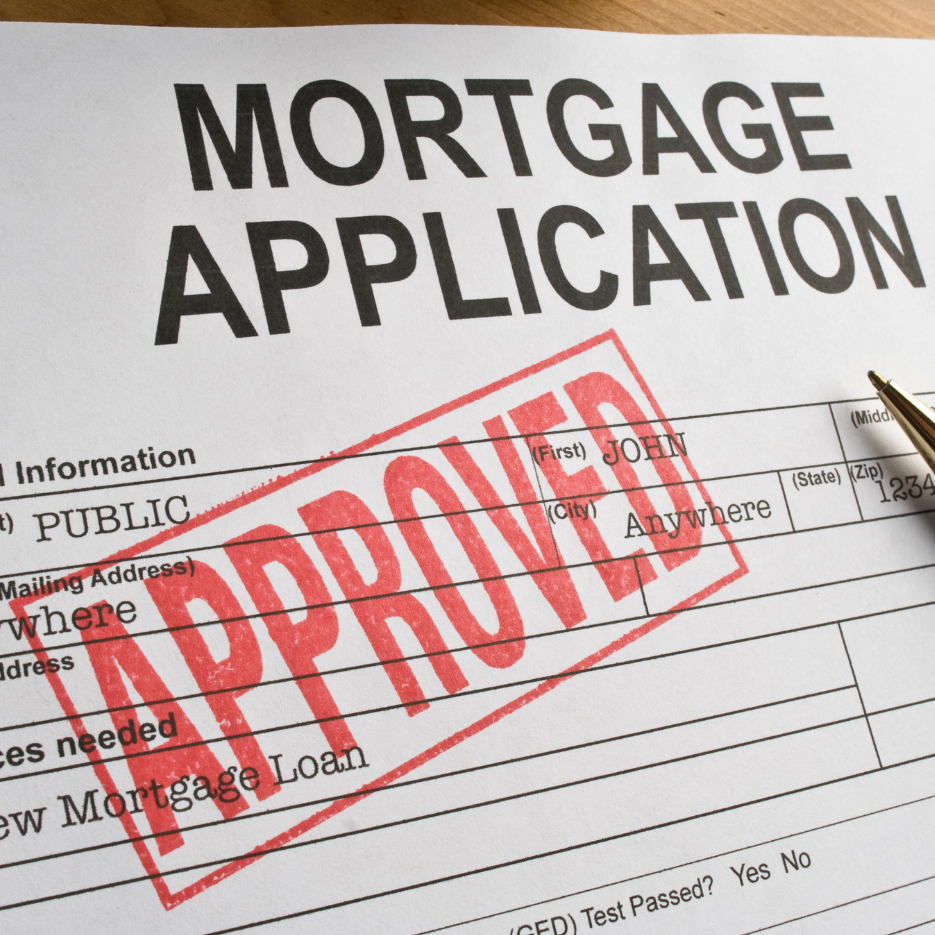
Getting Started with Mortgage Pre-Approval through Laser Mortgage
Embarking on the journey from renting to owning your first home is an exciting milestone, and securing mortgage pre-approval is the essential first step. With Laser Mortgage, this initial phase is designed to be both straightforward and empowering, giving you the clarity and confidence needed to navigate the real estate market.
Mortgage pre-approval is more than a formality—it’s a crucial process that determines your purchasing power and demonstrates to sellers that you are a serious, qualified buyer. Laser Mortgage simplifies this step by providing a user-friendly, transparent application process tailored to first-time buyers. By evaluating your financial situation, including income, credit score, and debt obligations, Laser Mortgage helps you understand exactly how much home you can afford before you start shopping.
Key Benefits of Pre-Approval with Laser Mortgage
- Clear Budgeting: Know your exact price range to focus your search and avoid disappointment.
- Stronger Offers: Sellers are more likely to accept offers from pre-approved buyers, giving you a competitive edge.
- Faster Closing: With much of the paperwork completed upfront, you can move quickly once you find the right home.
The pre-approval process with Laser Mortgage is efficient and supportive, featuring expert guidance every step of the way. As you prepare for your transition from renting to owning, starting with pre-approval puts you in the driver’s seat, ready to take on the market with confidence and clarity.
Navigating the Home Search and Shortlisting Properties
Embarking on the journey from renting to owning begins with one of the most exciting stages: searching for your future home. This phase sets the tone for your buying experience, requiring both strategic planning and a clear understanding of your needs. The abundance of available properties can feel overwhelming, but with a methodical approach, you can confidently navigate the market and create a shortlist that aligns with your lifestyle and budget.
Defining Your Priorities
Before diving into listings, take time to establish your must-haves versus nice-to-haves. Consider factors such as location, proximity to work or schools, neighborhood safety, public transportation options, and community amenities. Determine the type of property that suits you—be it a single-family home, townhouse, or condo—and set realistic expectations based on your financial capabilities.
Leveraging Technology and Professional Guidance
Utilize real estate platforms and mobile apps to filter properties by price, size, and desired features. Virtual tours and high-quality photos can offer initial impressions, but in-person visits remain crucial for assessing the property’s true condition and ambiance. Partnering with a reputable real estate agent amplifies your efforts, providing access to exclusive listings and invaluable market insights.
Shortlisting with Purpose
- Organize potential properties in a spreadsheet, noting pros and cons for each.
- Evaluate each home’s long-term suitability, not just immediate appeal.
- Remain flexible, but stay anchored to your core priorities to avoid decision fatigue.
By narrowing your choices through thoughtful comparison, you lay the groundwork for a confident, informed purchase. As you finalize your shortlist, you’ll be well-prepared to move forward with the next steps—viewings, offers, and ultimately, ownership.
Making an Offer and Negotiating the Purchase Terms
Transitioning from renting to owning a home marks a significant milestone, and making an offer is where your journey as a first-time buyer becomes truly tangible. This stage is more than just submitting a price; it’s about strategically presenting your intent to purchase and establishing the terms that work for you. Understanding how to approach this process can set the tone for a successful and satisfying transaction.
Crafting a Competitive Offer
Begin by working closely with your real estate agent to analyze recent sales in the area and the current market conditions. This research helps you determine a fair yet competitive offer price. Consider not only the asking price but also the value of comparable homes, any upgrades or unique features, and how long the property has been on the market.
Negotiating Purchase Terms
Once your offer is submitted, negotiations often follow. These discussions may involve more than just price. Key terms to negotiate can include:
- Contingencies: Such as financing, inspection, or appraisal conditions that protect your interests.
- Closing Date: Aligning the move-in timeline with your personal needs.
- Seller Concessions: Requesting the seller to cover certain closing costs or include specific appliances.
Clear communication and flexibility are vital. Respond promptly to counteroffers and maintain a collaborative mindset, focusing on solutions that benefit both parties. With patience and preparation, you’ll move confidently from offer to acceptance, bringing you one step closer to homeownership.
The Closing Process and Final Steps to Homeownership
As you approach the finish line in your journey from renting to owning, the closing process stands as the final gateway to homeownership. This multilayered phase involves several critical steps, each designed to protect your investment and ensure a seamless transfer of property.
Understanding the Closing Process
The closing, sometimes referred to as “settlement,” marks the official transfer of ownership from the seller to the buyer. During this stage, you’ll review and sign a series of legal documents, including the mortgage agreement, promissory note, and the deed. It’s essential to scrutinize these documents carefully, ensuring all details align with the terms you agreed upon earlier in the buying process.
Key Steps Leading to Completion
- Final Walk-Through: Before closing day, you’ll typically have the opportunity to conduct a final walk-through of the property. This step helps confirm that any agreed-upon repairs have been completed and that the home is in the expected condition.
- Closing Disclosure Review: You’ll receive a closing disclosure at least three days before your closing appointment. This document outlines your final loan terms, monthly payments, and all closing costs, offering transparency and a chance to address discrepancies.
- Funds Transfer: Be prepared to provide a cashier’s check or wire transfer for your down payment and closing costs. These funds are necessary to finalize the transaction.
With signatures completed and funds transferred, the keys to your new home are finally yours. This milestone marks not just a change of address, but the start of a new chapter in homeownership, providing security, stability, and a space to truly call your own.